
Hear from Our Customers
You’ve noticed the smell. Maybe someone in your house has been coughing more than usual, or you’re dealing with allergy symptoms that won’t quit. You might’ve had water damage recently, or you’re just not sure what’s happening behind your walls.
Here’s what matters: mold doesn’t announce itself until it’s already a problem. By the time you see it, it’s been growing for weeks or months. And the stuff you can’t see? That’s often worse.
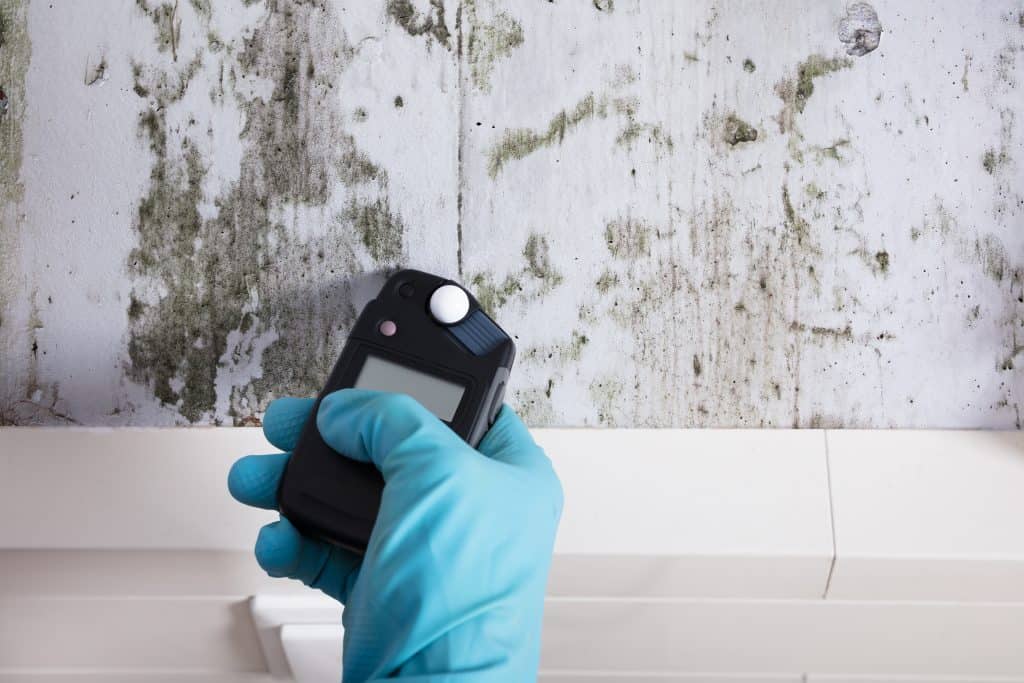
Professional mold testing gives you clarity. We use moisture meters, infrared cameras, and air sampling to find mold you’d never catch on your own. You get a full picture of what’s in your home, where it’s coming from, and what type of mold you’re dealing with. That means you can make decisions based on facts, not fear.
No more wondering if that musty basement is just “normal.” No more guessing whether your kids’ allergies are tied to something in the air. You’ll know exactly what’s happening and what needs to happen next.
We’ve been serving Rushland and the surrounding Bucks County area with one focus: helping homeowners understand what’s growing in their properties and how to fix it. We’re not a franchise. We’re local, and we know the homes here.
Rushland’s humid summers create perfect conditions for mold. Add in older homes with basements that weren’t built with modern moisture barriers, and you’ve got a recipe for hidden growth. We’ve seen it all, from crawl spaces to attics to behind drywall that looked perfectly fine.
Our team uses EPA-approved methods and certified inspectors who know how to find mold, identify it, and explain what it means for your home. We’re not here to upsell you or scare you. We’re here to give you accurate information so you can move forward with confidence.
We start with a free inspection. That means one of our certified inspectors comes to your property, walks through with you, and listens to what you’ve noticed. We’re looking for visible mold, but also signs you might not recognize—discoloration, water stains, humidity levels, and airflow issues.
Next, we use tools most homeowners don’t have access to. Moisture meters tell us where water is hiding. Infrared cameras show us temperature differences that indicate leaks or condensation. If needed, we take air samples or surface samples to identify the exact type of mold and the concentration in your space.
Once testing is complete, we send samples to a certified lab. You get a detailed report that breaks down what was found, where it’s growing, and how serious the issue is. We walk you through the results in plain language and recommend next steps, whether that’s remediation, moisture control, or just monitoring.
You’re never left guessing. Every step is explained, and you’re in control of what happens next.
Ready to get started?
When we test your home, you’re getting more than someone walking around with a flashlight. You’re getting a full assessment using advanced detection technology designed to find problems before they become disasters.
We inspect every area of concern—basements, crawl spaces, attics, bathrooms, kitchens, and anywhere else you’ve noticed issues. We check behind appliances, under sinks, around windows, and in HVAC systems. Mold loves hidden spots, and we know where to look.
In Bucks County, we see a lot of mold tied to basement moisture and poor ventilation. Homes built decades ago weren’t designed with the same moisture barriers we use today. That means water seeps in through foundation cracks, condensation builds up, and mold takes hold. We identify not just the mold, but the source—so you’re not just treating symptoms.
You’ll also get documentation that works for insurance claims if needed. We know how to communicate with adjusters and provide the reports they require. And if remediation is necessary, we’ll handle that too, using the same equipment and expertise that found the problem in the first place.
We offer free mold inspections, which means there’s no cost to have a certified inspector come to your property and assess the situation. If lab testing is needed—like air sampling or surface sampling to identify specific mold types—that’s typically between $300 and $700 depending on how many samples are required and the size of your property.
Most homeowners don’t need extensive lab work unless they’re dealing with health symptoms, insurance claims, or they’ve had significant water damage. We’ll never recommend testing you don’t need. During the free inspection, we’ll tell you what makes sense for your situation and give you a clear estimate before any lab work happens.
If you’re working with insurance, mold testing costs are often covered when tied to a water damage claim. We can help with that documentation.
You can, but here’s the issue: those kits only tell you if mold is present. They don’t tell you where it’s coming from, what type it is, how much is there, or whether it’s actually a problem. Mold spores exist almost everywhere. What matters is concentration and location.
Store-bought kits also miss hidden mold. If it’s growing inside your walls, under flooring, or in your HVAC system, a surface test won’t catch it. You’ll get a result that says “mold detected,” but you’re still left guessing about the real issue.
Professional mold testing uses equipment that measures moisture levels, airflow, temperature differences, and spore concentration. We’re not just swabbing a surface—we’re diagnosing the environment that’s allowing mold to grow. That’s the difference between knowing mold exists and understanding how to fix the problem.
If you’ve already used a kit and it came back positive, that’s a good reason to call us. We’ll figure out what’s actually happening.
The inspection itself usually takes one to two hours depending on the size of your home and how many areas we’re checking. We’re thorough, but we’re not going to waste your time. If we’re taking air or surface samples for lab analysis, that adds a few minutes per sample but doesn’t significantly extend the visit.
Lab results typically come back within three to five business days. Once we have them, we’ll contact you to review the findings and explain what they mean. You’ll get a written report that breaks down mold types, concentrations, and locations, along with our recommendations.
If you’re dealing with an urgent situation—like a recent flood or someone in your home with serious respiratory issues—we can expedite the process. We also offer 24/7 emergency service for situations that can’t wait. The goal is always to get you answers as quickly as possible so you can make informed decisions about your property and your health.
In Bucks County, we see a lot of Aspergillus, Penicillium, and Cladosporium—all of which thrive in damp, humid environments. These are the molds that show up in basements, bathrooms, and areas with poor ventilation. They’re not always dangerous, but they can trigger allergies and respiratory issues, especially in kids and anyone with asthma.
Black mold—technically called Stachybotrys chartarum—is less common but gets the most attention because it produces mycotoxins that can cause serious health problems. It grows on materials with high cellulose content, like drywall and wood, especially after water damage. If you’ve had a leak or flooding and didn’t dry everything out within 48 hours, black mold is a real possibility.
The truth is, you can’t identify mold by looking at it. Color doesn’t tell you the species, and species doesn’t always tell you the risk. That’s why we test. We identify exactly what’s growing so you know whether you’re dealing with a minor issue or something that needs immediate attention. Guessing isn’t worth the risk when it comes to your family’s health.
Yes. That’s one of the main reasons to get professional testing. The results will show you the type of mold, the concentration, and where it’s growing. From there, we can tell you whether remediation is necessary or if you’re dealing with something that can be managed with better ventilation and moisture control.
Not every mold problem requires full remediation. Sometimes it’s a small area that can be cleaned and treated. Other times, mold has spread behind walls or into HVAC systems, and you need a more comprehensive approach. Testing gives you the information to make that call.
If remediation is needed, we handle that too. We’ll contain the affected area, remove contaminated materials, treat surfaces, and address the moisture source so mold doesn’t come back. You’ll get a clear plan, upfront pricing, and no surprises. And because we found the mold in the first place, we already know exactly what we’re dealing with—no guesswork, no delays.
Yes. We work with insurance companies regularly and understand what documentation they need to process mold-related claims. If your mold issue is tied to a covered event—like a burst pipe, roof leak, or flooding—your policy may cover testing and remediation.
We’ll provide detailed reports that include lab results, photos, moisture readings, and our professional assessment. That’s usually what adjusters require to approve a claim. We can also communicate directly with your insurance company if needed to answer questions or clarify findings.
Keep in mind that most insurance policies don’t cover mold that resulted from long-term neglect or lack of maintenance. But if the mold is tied to sudden water damage, you’ve got a much better chance of coverage. We’ll be upfront about what we’re seeing and whether it’s likely to be covered. Our job is to give you the facts so you can move forward, whether that’s through insurance or out of pocket.
Other Services we provide in Rushland